Card Tier List · C.H.A.O.S. Draft League
Chaos Draft League Card Tier List
Ken's C.H.A.O.S. Draft League is not currently running: it ended on August 17, 2026. This page is the final standing from that run, every card in the mode ranked by how often it got picked and how often that pick won. Draft League never let you bring a deck, you picked one card at a time under a timer, which is why pick rate mattered as much as win rate.
Most picked
Suspicious Bush · 31%
Event endedKen's C.H.A.O.S. Draft League has ended.
These rankings are kept as a record of how the mode was played. They will not match a future Draft League run, which redraws the pool.
The other half of the draft
Chaos Modifier Tier List
Cards are only half of what you pick. See which modifiers are winning games.
Beyond the event
Current Clash Royale Tier List
Every card ranked by measured win rate from live Ranked battles, updated daily.
The Tier List
S · +2.0 or more
A · +0.5 to +2.0
B · within ±0.5
C · -0.5 to -2.0
D · -2.0 or more
baseline 49.98%
S
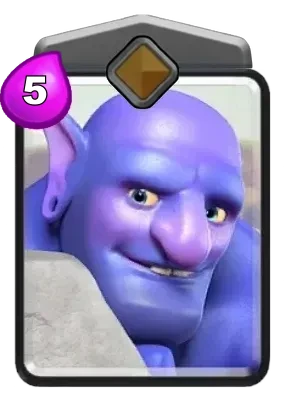
Bowler
0% picked61% WR
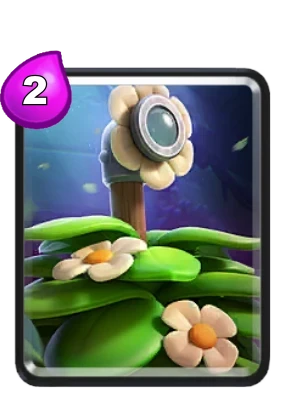
Suspicious Bush
31% picked58% WR
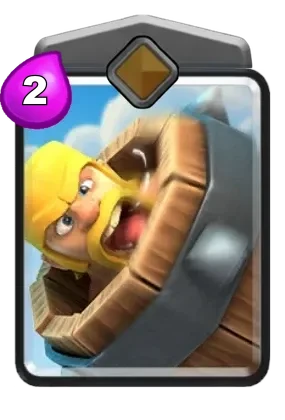
Barbarian Barrel
27% picked58% WR
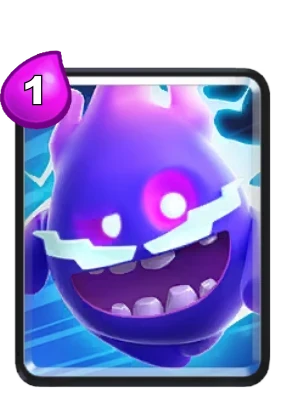
Electro Spirit
17% picked58% WR
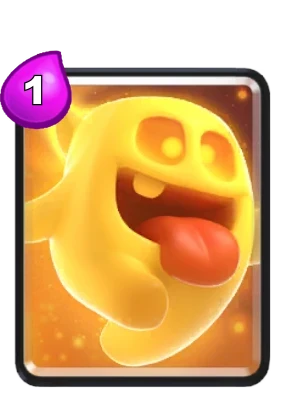
Heal Spirit
16% picked58% WR
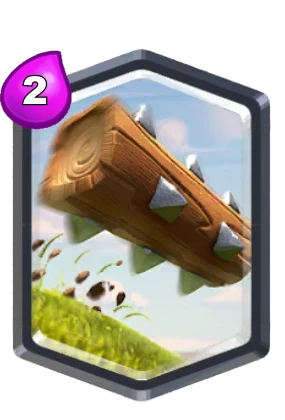
The Log
25% picked57% WR
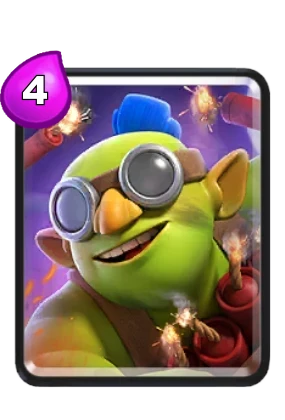
Goblin Demolisher
10% picked57% WR
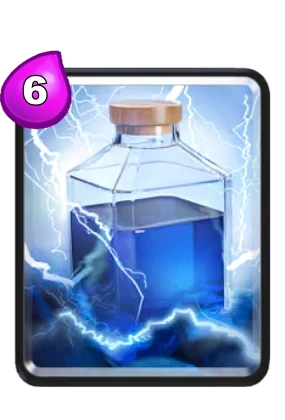
Lightning
0% picked57% WR
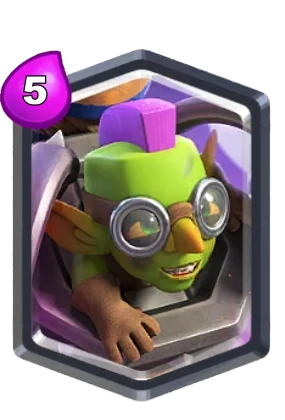
Goblin Machine
0% picked57% WR
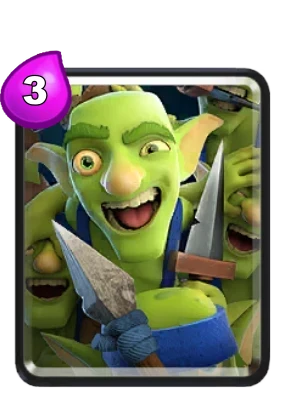
Goblin Gang
0% picked56% WR
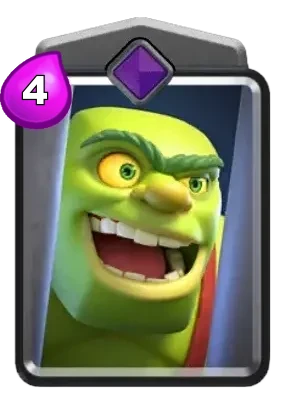
Goblin Cage
0% picked56% WR
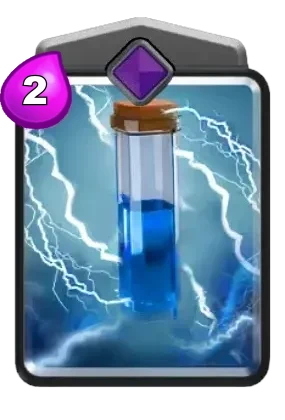
Zap
16% picked55% WR
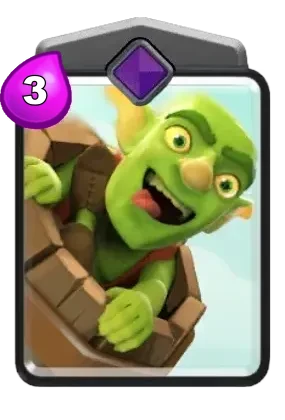
Goblin Barrel
9% picked55% WR
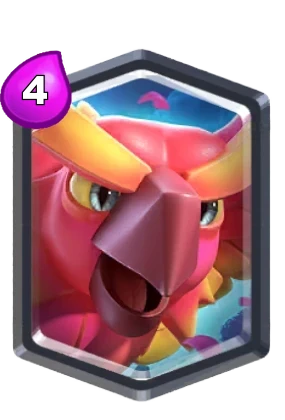
Phoenix
0% picked55% WR
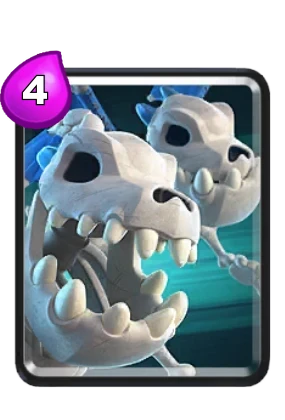
Skeleton Dragons
0% picked54% WR
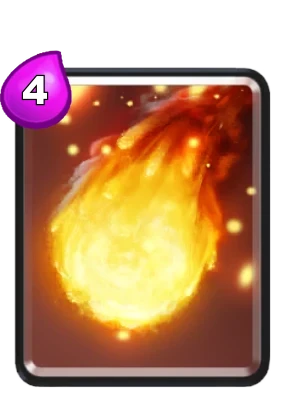
Fireball
31% picked53% WR
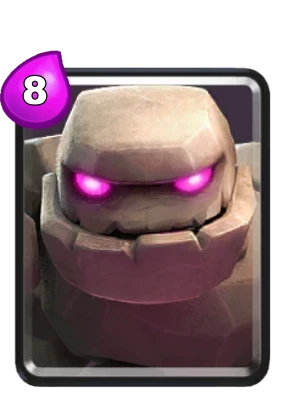
Golem
8% picked53% WR
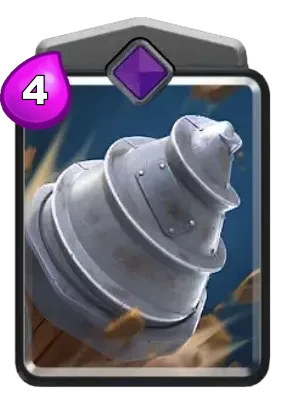
Goblin Drill
8% picked53% WR
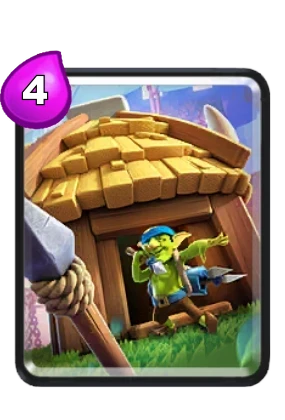
Goblin Hut
7% picked53% WR
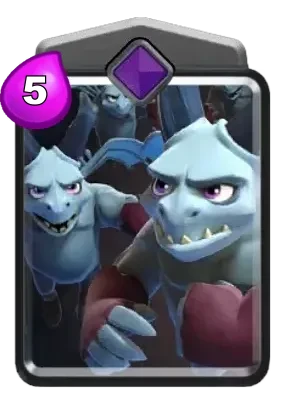
Minion Horde
0% picked53% WR
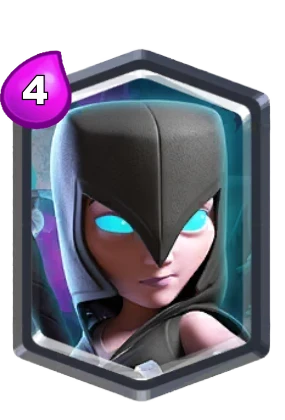
Night Witch
27% picked52% WR
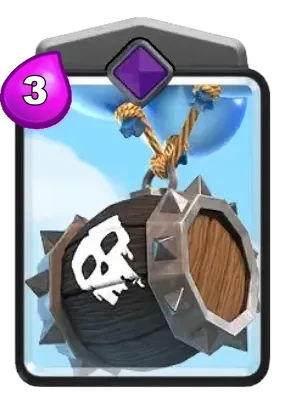
Skeleton Barrel
23% picked52% WR
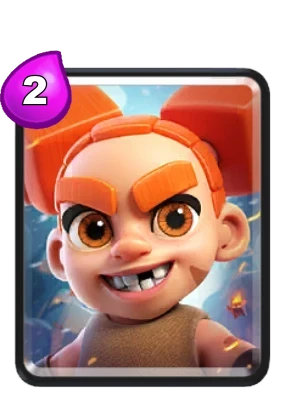
Berserker
15% picked52% WR
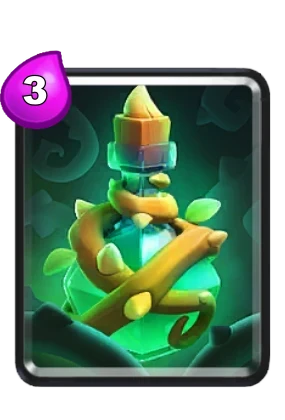
Vines
7% picked52% WR
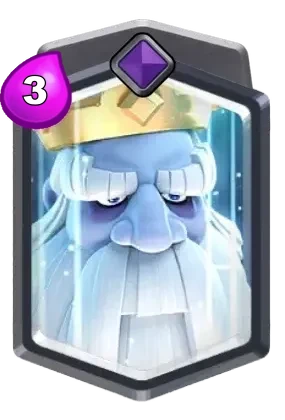
Royal Ghost
0% picked52% WR
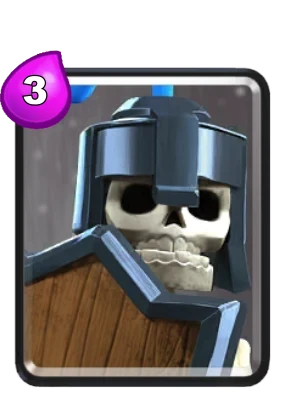
Guards
0% picked52% WR
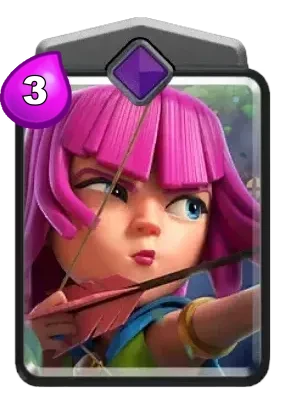
Archers
0% picked52% WR
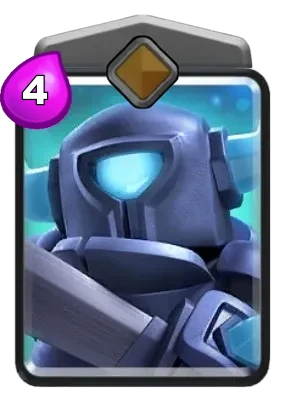
Mini P.E.K.K.A
0% picked52% WR
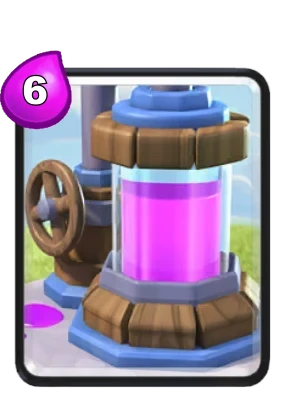
Elixir Collector
0% picked52% WR
A
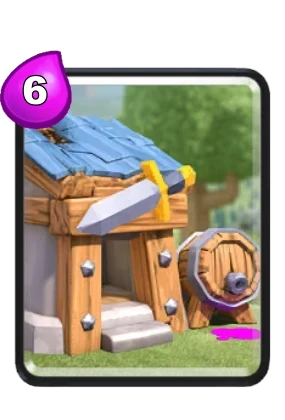
Barbarian Hut
6% picked51% WR
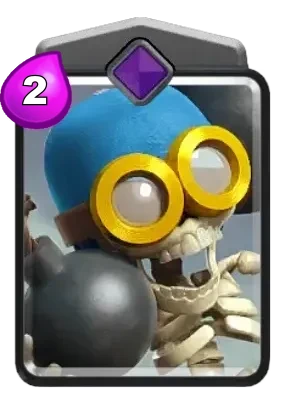
Bomber
0% picked51% WR
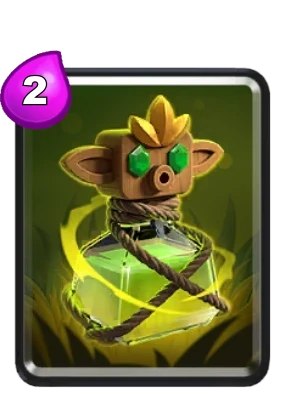
Goblin Curse
0% picked51% WR
B
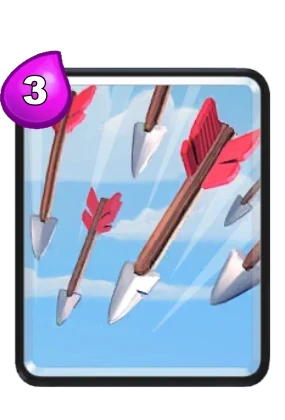
Arrows
18% picked50% WR
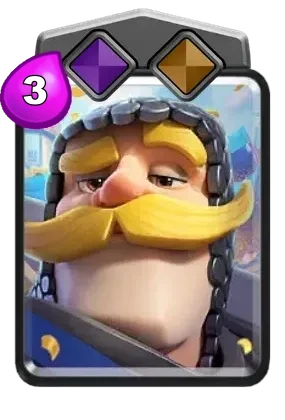
Knight
17% picked50% WR
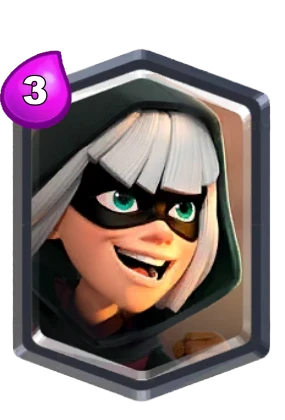
Bandit
15% picked50% WR
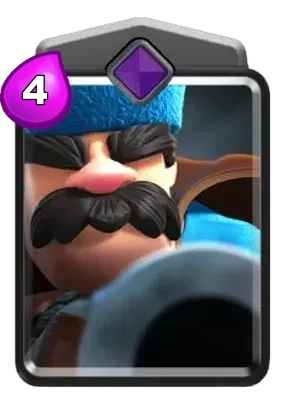
Hunter
14% picked50% WR
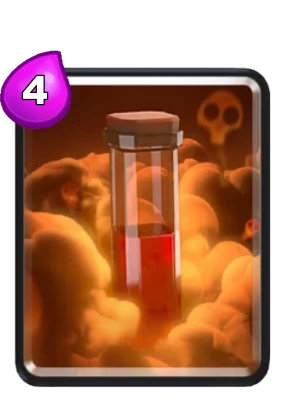
Poison
14% picked50% WR
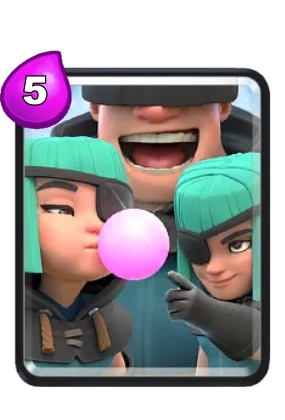
Rascals
9% picked50% WR
Minions
0% picked50% WR
Electro Dragon
0% picked50% WR
Cannon
0% picked50% WR
C
Skeleton Army
18% picked49% WR
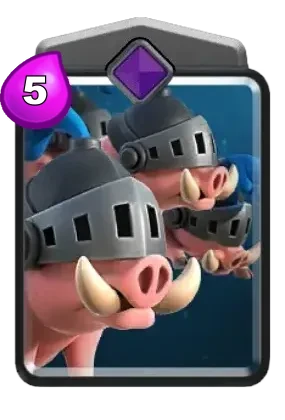
Royal Hogs
12% picked49% WR
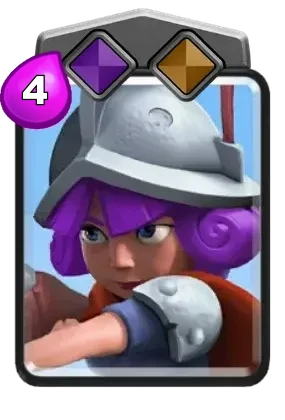
Musketeer
10% picked49% WR
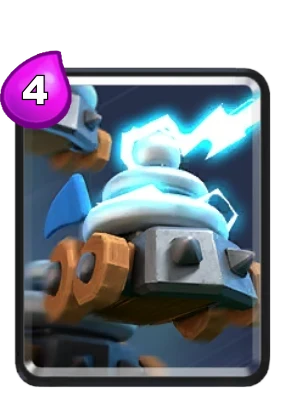
Zappies
10% picked49% WR
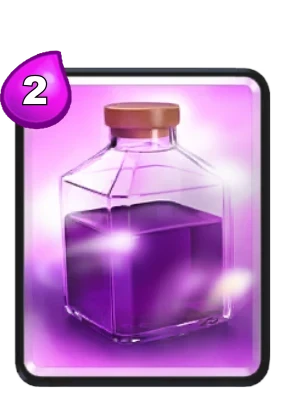
Rage
9% picked49% WR
Dart Goblin
9% picked49% WR
Tombstone
8% picked49% WR
Furnace
7% picked49% WR
Ice Spirit
7% picked49% WR
Earthquake
0% picked49% WR
Mega Minion
0% picked49% WR
Prince
0% picked49% WR
Freeze
0% picked49% WR
Firecracker
19% picked48% WR
Mother Witch
18% picked48% WR
Executioner
16% picked48% WR
Baby Dragon
11% picked48% WR
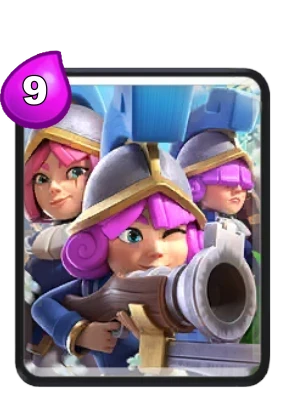
Three Musketeers
9% picked48% WR
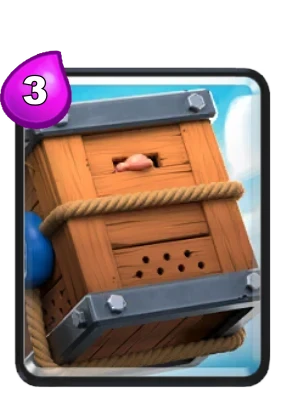
Royal Delivery
8% picked48% WR
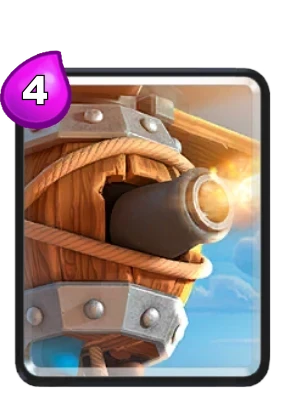
Flying Machine
8% picked48% WR
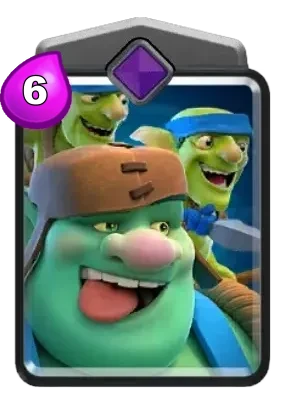
Goblin Giant
6% picked48% WR
Void
0% picked48% WR
Tornado
0% picked48% WR
D
Graveyard
13% picked47% WR
Electro Wizard
12% picked47% WR
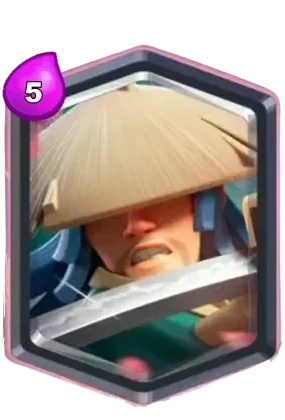
Ronin
11% picked47% WR
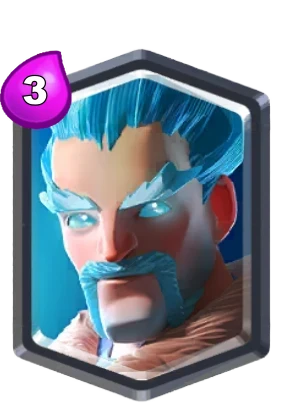
Ice Wizard
9% picked47% WR
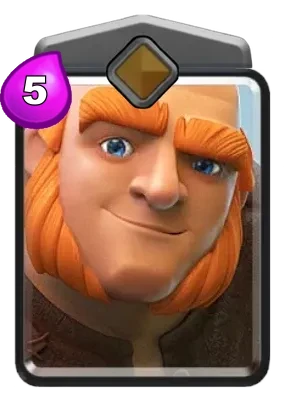
Giant
9% picked47% WR
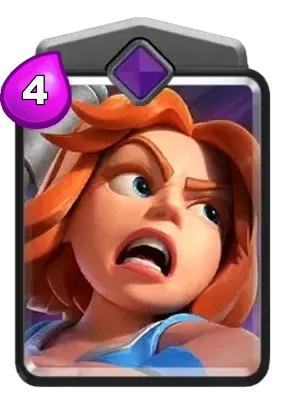
Valkyrie
8% picked47% WR
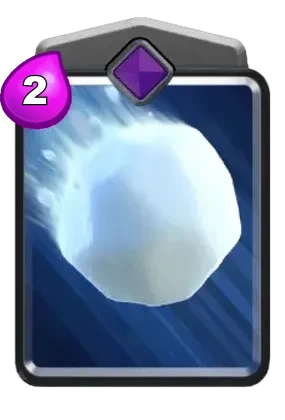
Giant Snowball
7% picked47% WR
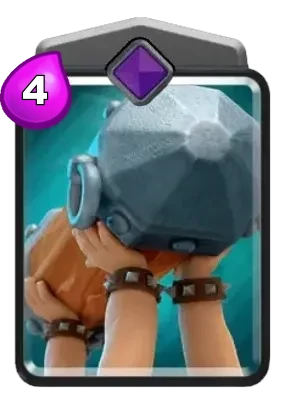
Battle Ram
0% picked47% WR
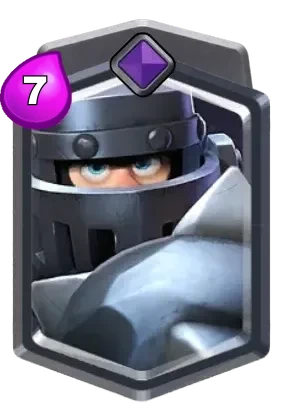
Mega Knight
15% picked46% WR
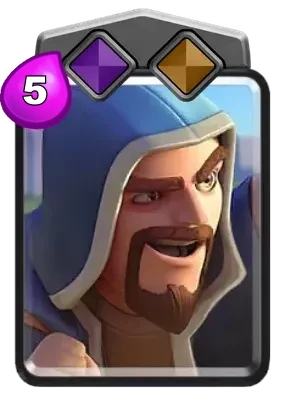
Wizard
13% picked46% WR
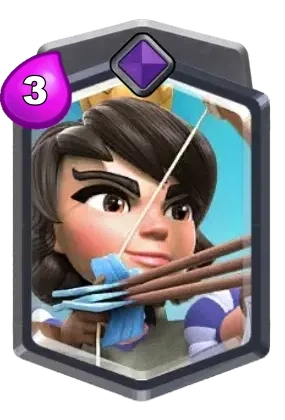
Princess
10% picked46% WR
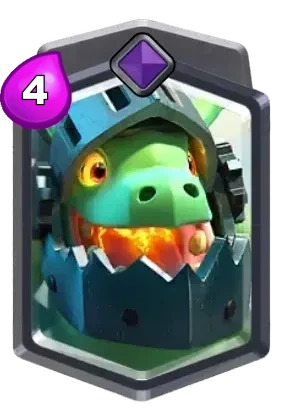
Inferno Dragon
10% picked46% WR
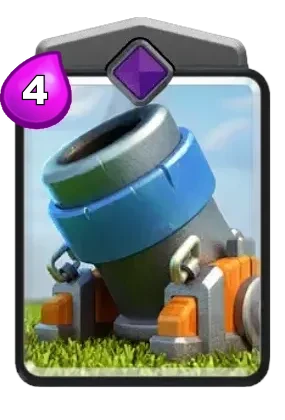
Mortar
7% picked46% WR
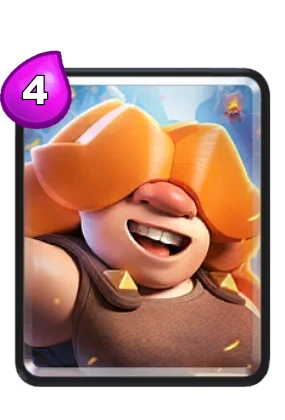
Rune Giant
7% picked46% WR
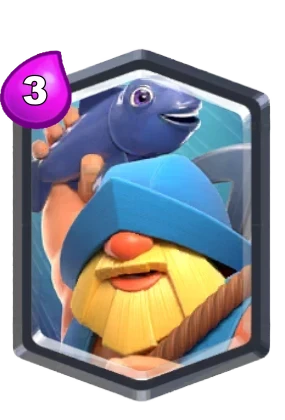
Fisherman
6% picked46% WR
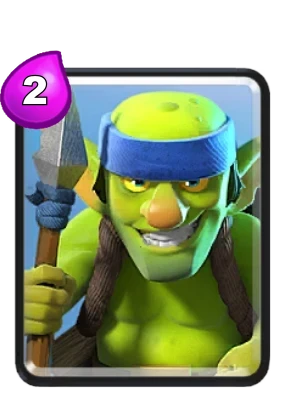
Spear Goblins
0% picked46% WR
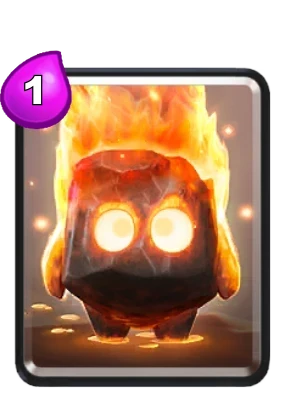
Fire Spirit
0% picked46% WR
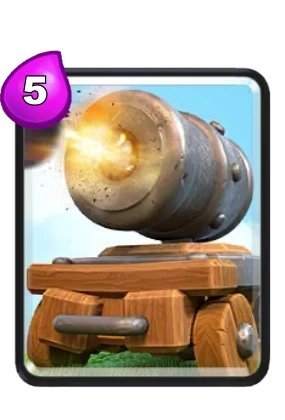
Cannon Cart
0% picked46% WR
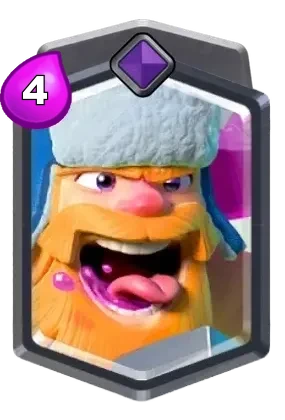
Lumberjack
0% picked46% WR
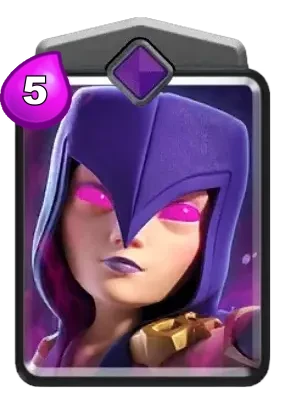
Witch
14% picked45% WR
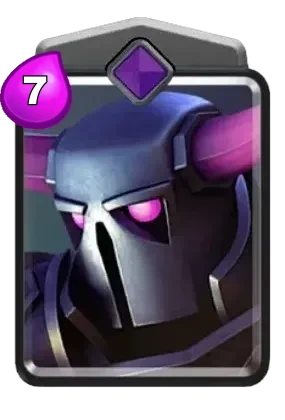
P.E.K.K.A
13% picked45% WR
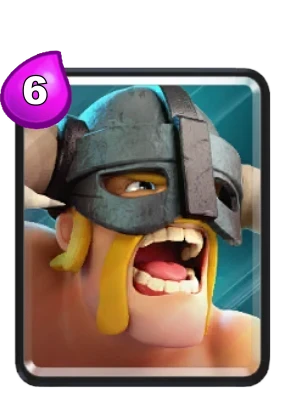
Elite Barbarians
10% picked45% WR
Ram Rider
9% picked45% WR
Dark Prince
8% picked45% WR
Magic Archer
0% picked45% WR
Skeletons
0% picked45% WR
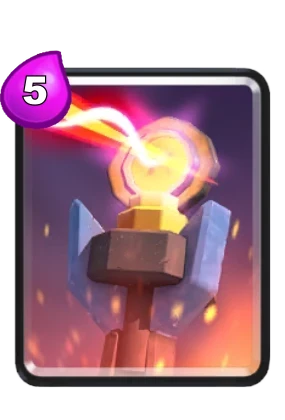
Inferno Tower
9% picked44% WR
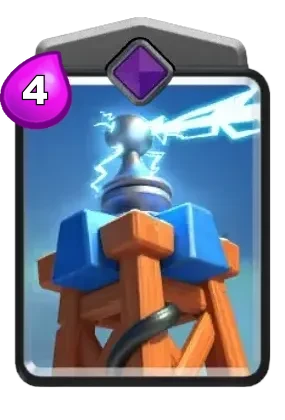
Tesla
10% picked43% WR
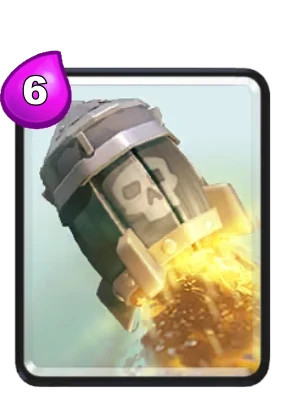
Rocket
8% picked43% WR
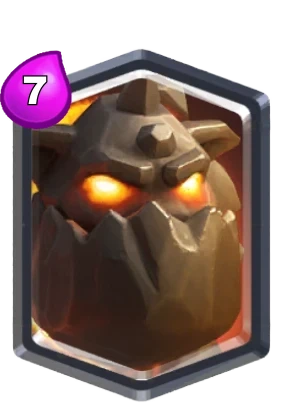
Lava Hound
7% picked43% WR
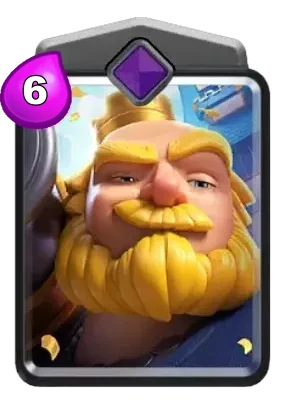
Royal Giant
7% picked43% WR
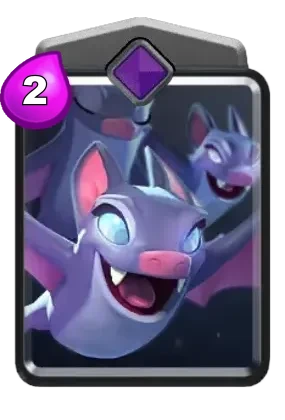
Bats
0% picked43% WR
Hog Rider
0% picked43% WR
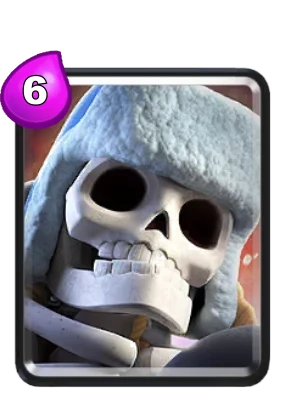
Giant Skeleton
0% picked43% WR
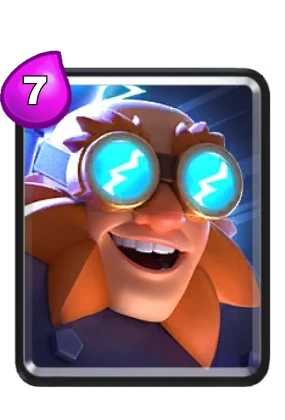
Electro Giant
0% picked42% WR
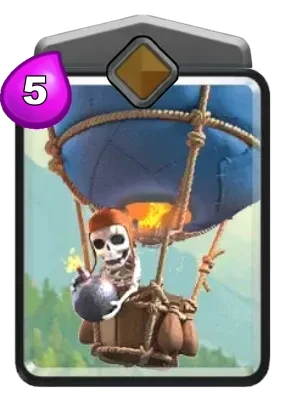
Balloon
0% picked42% WR
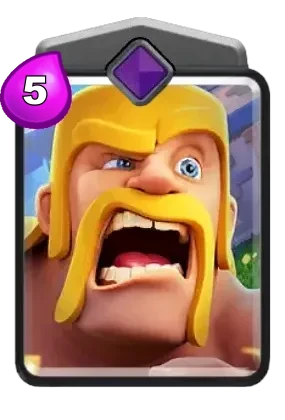
Barbarians
0% picked42% WR
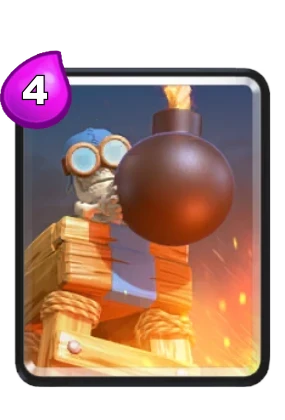
Bomb Tower
0% picked42% WR
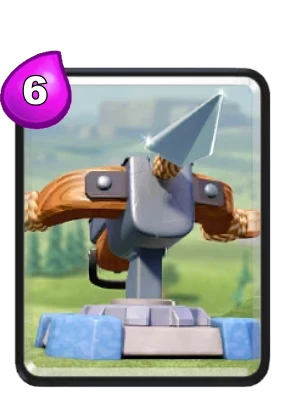
X-Bow
9% picked41% WR
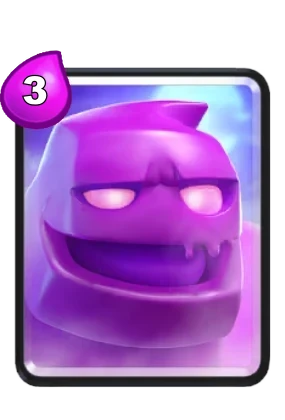
Elixir Golem
8% picked40% WR
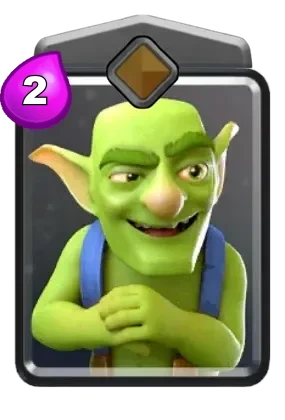
Goblins
0% picked40% WR
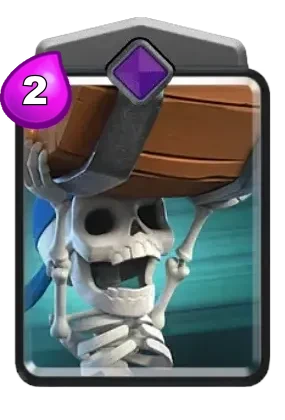
Wall Breakers
0% picked40% WR
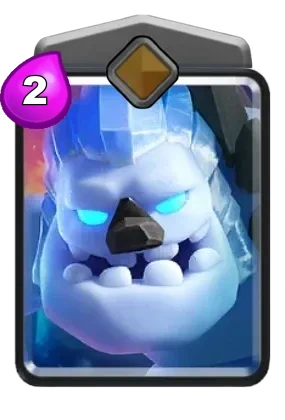
Ice Golem
0% picked39% WR
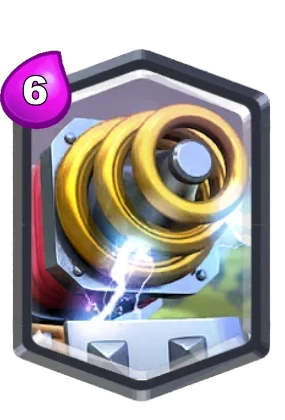
Sparky
0% picked38% WR
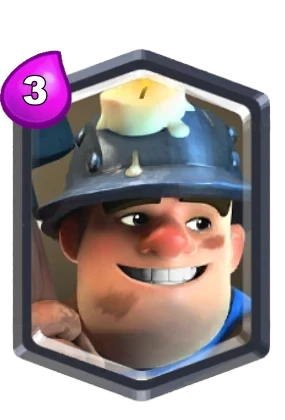
Miner
0% picked37% WR
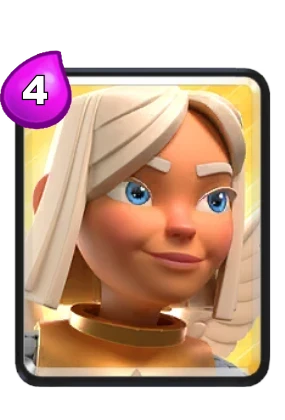
Battle Healer
0% picked36% WR
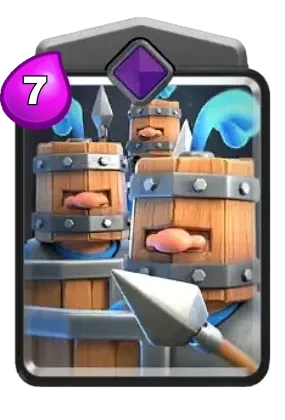
Royal Recruits
0% picked33% WR
Every Card by Pick Rate
Sorted by pick rate, most picked first, so you can see where the crowd is going and whether it is working. The tier column is the same placement as the board above.
1
31%
58%
S
2
31%
53%
S
3
27%
58%
S
4
27%
52%
S
5
25%
57%
S
6
23%
52%
S
7
19%
48%
C
8
18%
50%
B
9
18%
49%
C
10
18%
48%
C
11
17%
58%
S
12
17%
50%
B
13
16%
58%
S
14
16%
55%
S
15
16%
48%
C
16
15%
52%
S
17
15%
50%
B
18
15%
46%
D
19
14%
50%
B
20
14%
50%
B
21
14%
45%
D
22
13%
47%
D
23
13%
46%
D
24
13%
45%
D
25
12%
49%
C
26
12%
47%
D
27
11%
48%
C
28
11%
47%
D
29
Goblin Demolisher
4 elixir
10%
57%
S
30
10%
49%
C
31
10%
49%
C
32
10%
46%
D
33
10%
46%
D
34
10%
45%
D
35
10%
43%
D
36
9%
55%
S
37
9%
50%
B
38
9%
49%
C
39
9%
49%
C
40
9%
48%
C
41
9%
47%
D
42
9%
47%
D
43
9%
45%
D
44
9%
44%
D
45
9%
41%
D
46
8%
53%
S
47
8%
53%
S
48
8%
49%
C
49
8%
48%
C
50
8%
48%
C
51
8%
47%
D
52
8%
45%
D
53
8%
43%
D
54
8%
40%
D
55
7%
53%
S
56
7%
52%
S
57
7%
49%
C
58
7%
49%
C
59
7%
47%
D
60
7%
46%
D
61
7%
46%
D
62
7%
43%
D
63
7%
43%
D
64
6%
51%
A
65
6%
48%
C
66
6%
46%
D
67
0%
61%
S
68
0%
57%
S
69
0%
56%
S
70
0%
55%
S
71
0%
52%
S
72
0%
56%
S
73
0%
57%
S
74
0%
52%
S
75
0%
50%
B
76
0%
51%
A
77
0%
54%
S
78
0%
51%
A
79
0%
52%
S
80
0%
49%
C
81
0%
53%
S
82
0%
49%
C
83
0%
46%
D
84
0%
46%
D
85
0%
48%
C
86
0%
45%
D
87
0%
52%
S
88
0%
49%
C
89
0%
50%
B
90
0%
45%
D
91
0%
52%
S
92
0%
46%
D
93
0%
49%
C
94
0%
43%
D
95
0%
46%
D
96
0%
47%
D
97
0%
39%
D
98
0%
48%
C
99
0%
40%
D
100
0%
43%
D
101
0%
40%
D
102
0%
37%
D
103
0%
43%
D
104
0%
42%
D
105
0%
42%
D
106
0%
50%
B
107
0%
42%
D
108
0%
42%
D
109
0%
33%
D
110
0%
36%
D
111
0%
38%
D
Ranked from tracked Chaos mode battles. Win rate data from the last 7 days.
Pick Rate and Win Rate Are Not the Same Question
Pick rate answers what players take. Win rate answers whether taking it worked. In a draft mode those two numbers come apart much harder than they do on ladder, because you are not choosing from the whole game, you are choosing between the two or three things the mode just offered you, with a clock running.
The cards worth your attention are the ones where the two disagree. A card high on pick rate and low in tier is a habit, and it is costing games. A card low on pick rate and high in tier is the free win most of the lobby is walking past. Both are visible in the table above at a glance: compare the Picked column to the Tier column and look for rows where they point opposite ways.
One thing this page cannot tell you is what a card was offered against. Pick rate is measured across all drafts, not per matchup, so a card that only ever appears next to a stronger option will look underpicked even when players are choosing correctly. Treat the tiers as which card wins, and your own read of the offer as which one is available.
How This Tier List Is Built
Every number here comes from tracked Ken's C.H.A.O.S. Draft League battles, not from opinion or from a panel. A card needs a minimum battle count to enter the tier bands at all. Below that floor a win rate swings several points on noise, so those cards are listed separately as insufficient data instead of being ranked.
Tiers are relative to this mode's own baseline, the pick-rate-weighted average win rate across every qualifying card, currently 49.98%. Weighting by sample size keeps the baseline anchored to how the mode is being played, instead of letting a barely-drafted card drag the centre around and reshuffle everyone else. It is the same banding our ladder card tier list uses, so the two are read the same way, but the baselines are not comparable across modes and the two lists should never be mixed.
The League runs for a fixed window and the sample grows the whole time, so early tiers are the least stable. If a card sits right on a band edge, expect it to cross back and forth before the event ends.
Frequently Asked Questions
What is the best card to draft in the C.H.A.O.S. Draft League?
The S-tier cards above are the ones winning most relative to the mode average. Draft League is a pick-one-of-several format, so the practical answer is always the highest-tier card on offer, not the single best card overall. That is why the full ranked table matters more here than on a normal tier list: you need to compare the specific cards in front of you.
Does a high pick rate mean a card is good?
No, and this mode makes the gap unusually wide. Pick rate measures what players reach for, which is driven by familiarity and by what the card was offered alongside. Win rate measures whether it worked. A card can be picked in most drafts and still sit in C or D tier, and those are the picks costing people the most.
How are the tiers calculated?
Each card is placed by how far its win rate sits from the pick-rate-weighted average across every qualifying card in this mode. S is 2 or more points above, A is 0.5 to 2 above, B is within half a point either way, C is 0.5 to 2 below, and D is 2 or more below. Tiers are relative to this mode, never fixed numbers, because a restricted draft pool has a different baseline than ladder.
Why is a card I have seen a lot missing from the list?
Cards below the minimum battle threshold are held out of the tier bands and listed separately as insufficient data. A win rate over a small sample moves several points on noise alone, and letting those into the tiers would mean the list reshuffles every time it updates.
How is this different from the normal Clash Royale card tier list?
Completely different mode, so completely separate data. Draft League gives you a restricted pool and picks made under a timer, with every card at a fixed level, so card power reads very differently than it does on ladder. Our regular card tier list covers ranked ladder play and should not be used to plan a draft.


 Royaledly
 Brawlmetrics
 Brawldly